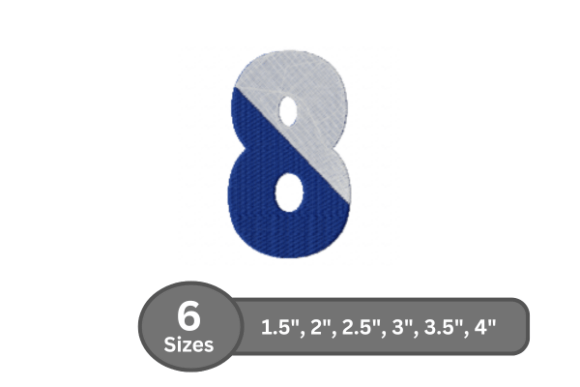
Twin Fill Number -9: A Charming Monogram for Gifts
As an embroidery designer who has spent countless hours hooping fabric and threading needles, I approach every new machine embroidery design with a critical eye. It is not just about how the digital file looks on the screen; it is about how that embroidery file translates into a tangible, emotional handmade product. Recently, I had the opportunity to test run Twin Fill Number -9, a delightful addition to the Monograms category, specifically for a batch of upcoming personalized orders. My goal was simple: determine if this design holds up under the scrutiny of a professional gift shop environment before I commit it to real customer projects.
The First Impression: Whimsy Meets Elegance
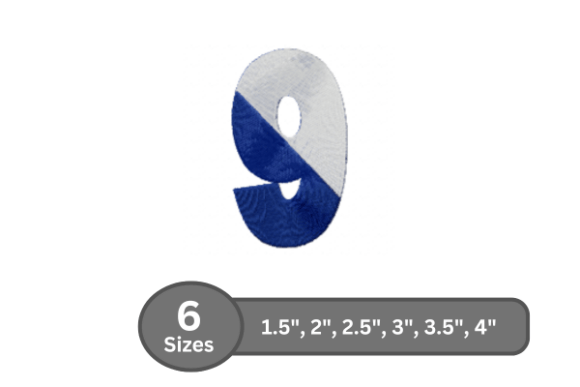
When I first loaded the preview of Twin Fill Number -9, the immediate feeling was one of playful charm. Unlike some rigid, block-style monograms that feel strictly corporate or traditional, this design exudes a whimsical touch. It strikes a beautiful balance between being sweet enough for a nursery and elegant enough for a wedding keepsake. The "Twin Fill" aspect suggests a layered or textured approach to the lettering, which adds depth without becoming overly heavy. For an Etsy seller or small business owner, visual appeal is everything, and this design screams "custom made" in the best possible way. It feels modern yet timeless, making it a versatile asset for any small shop product line.
Real-World Applications for Personalized Gifting
The true test of any digital embroidery file is its versatility across different substrates. I imagined several specific customer scenarios while reviewing Twin Fill Number -9. First, consider the booming market for baby embroidery. A soft muslin swaddle or a organic cotton onesie featuring this number would make an incredible baby shower gift. The playful nature of the design aligns perfectly with the joy of a new arrival. Similarly, for wedding gift designers, this could be stunning on a linen table runner or a set of cocktail napkins, adding a personalized flair that mass-produced items simply cannot match.
I also visualized this design on home decor items. Picture a pillow cover in a neutral tone with Twin Fill Number -9 stitched in a contrasting thread color; it instantly becomes a focal point in a living room. For those creating blanket embroidery projects, this design offers enough presence to be seen from a distance but remains delicate enough not to overwhelm the fabric. Even practical items like an embroidered towel for the kitchen or a custom tote bag benefit from this design's ability to elevate a standard item into a cherished possession. The emotional connection a customer feels when receiving a gift with their specific number or initial stitched with care is invaluable, and this design facilitates that connection beautifully.
Technical Considerations and Fabric Challenges
However, enthusiasm must always be tempered with technical prudence. While Twin Fill Number -9 is charming, there are specific contexts where caution is required. If you are working with very small lettering or intricate details, the stitch density becomes a crucial factor. On thick towels or textured fabrics like waffle weave, fine details can sometimes get lost or appear muddy. I recommend running a test stitch-out on a scrap piece of your intended material before committing to the final finished product.
Furthermore, stretchy baby clothes present their own challenges. Without the proper stabilizer, even the best custom embroidery can pucker or distort after washing. Since this design is intended for items that may need frequent laundering, such as t-shirts or kitchen linens, ensuring the backing is robust enough to support the fill stitches is non-negotiable. Dark fabric also requires attention; you must check your thread colors to ensure sufficient contrast. A light thread on a dark background can look striking, but if the fill is too sparse, the fabric might peek through, ruining the solid look of the number. Always compare light and dark fabric mockups to gauge the final aesthetic.
Curved Surfaces and Hoop Limitations
Another practical note involves curved surfaces, such as the cuff of a hat or the pocket of a jacket. Depending on the specific hoop size required for Twin Fill Number -9 (which you should verify in the file details provided by the vendor), maneuvering bulky items can be tricky. If the design is large, it might not fit in a standard small hoop, necessitating a re-hooping strategy or a different machine setup. Always confirm the dimensions against your available hoops to avoid mid-project frustrations.
Enhancing Perceived Value and Buyer Engagement
From a business perspective, incorporating Twin Fill Number -9 into your catalog can significantly boost perceived value. Customers are willing to pay a premium for items that feel unique and thoughtfully crafted. When photographing your work for an online listing, this design shines. The texture of the fill stitches catches the light, creating a dynamic printable mockup or photo that draws the eye. High-quality images of this design on a cozy blanket or a crisp apron can drive buyer engagement and build trust in your brand. It signals to the customer that you care about the details, fostering a sense of reliability and quality.
For commercial embroidery ventures, using a design with this level of charm can differentiate your offerings from competitors who rely on generic fonts. It adds a signature style to your shop. However, before selling any finished goods, it is imperative to review the licensing terms associated with the file. Ensure you have the rights for commercial use if you plan to sell these items on platforms like Etsy or at local craft fairs.
Final Verdict for the Professional Maker
In conclusion, Twin Fill Number -9 is a standout choice for anyone looking to add a dash of personality to their personalized gift lineup. Its ability to adapt to various projects—from wedding gifts to everyday home decor—makes it a worthy investment for serious makers. Just remember the golden rules of our trade: test on scrap fabric, choose your stabilizer wisely, and double-check those technical specs like stitch count and file formats if they aren't immediately clear in the description. By taking these precautions, you can ensure that every item leaving your studio is not just a product, but a heartfelt gesture wrapped in thread.
Whether you are a seasoned pro or a growing handmade seller, integrating this design into your workflow could be the key to unlocking new creative possibilities and delighted customers. Happy stitching!