Fall Pumpkin Monogram: A Craft Fair Best-Seller Review
As I stand in my studio surrounded by stacks of blank tote bags, linen aprons, and piles of tea towels, I am mentally preparing for the upcoming weekend craft fair. The autumn season is the busiest time of year for us handmade shop owners and Etsy sellers, and choosing the right machine embroidery design can make or break a booth's success. Today, I am putting the Fall Pumpkin Monogram under the microscope. This isn't just about whether it looks cute on a screen; it is about whether it will stop a customer in their tracks at a crowded market aisle.
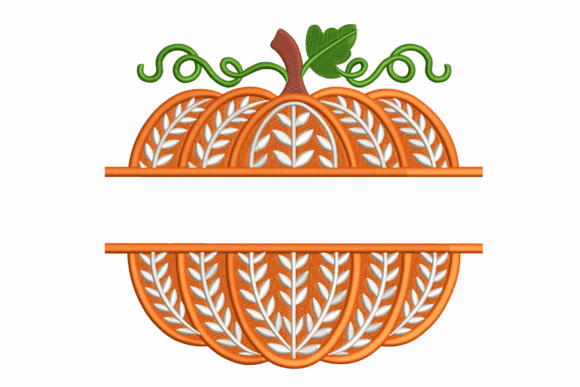
My first impression of the Fall Pumpkin Monogram is that it strikes a perfect balance between rustic charm and modern elegance. It feels undeniably festive without being overly cartoonish. For a craft fair product, this is crucial. Customers walking through an Autumn market are looking for items that feel warm, inviting, and premium. This design offers a vibrant and imaginative flair that translates well from a digital embroidery file to a tangible finished product. It has the potential to be the star of my display, provided I execute the production correctly.
Visual Impact and Product Versatility
When evaluating where this design shines, I immediately think of high-traffic items like tote bags and kitchen linens. A tote bag design needs to be bold enough to be read from three feet away. The pumpkin motif combined with a monogram creates a focal point that draws the eye. On a natural canvas tote, the orange and green thread colors pop beautifully against the neutral background. Similarly, for apron embroidery, placing this design on the bib or the lower pocket adds a personalized touch that elevates a standard utility item into a giftable handmade product.
I am also considering tea towel embroidery. Kitchen textiles are huge sellers during the fall holidays. The Fall Pumpkin Monogram works exceptionally well here because it is decorative yet functional. However, one must be mindful of the fabric texture. Terry cloth or waffle weave towels can sometimes swallow up fine details. If the design has intricate stitching, it might get lost in the loops of a thick towel. In those cases, I would recommend using a denser stabilizer or choosing a smoother linen blend to ensure the design assets remain crisp and clear.
Beyond soft goods, I see great potential for this design on embroidered patches and caps. An embroidered patch allows customers to buy the design without committing to a large item, which is a great strategy for increasing average order value at a booth. For caps, the curved surface presents a challenge, but if the hoop size and digitizing are correct, the pumpkin shape adapts well to the front panel of a baseball cap.
Production Realities for Small Shop Products
Turning a digital file into inventory requires a critical eye for production efficiency. As a boutique maker, I need to know if this design is repeatable for batch production. Can I hoop ten towels and run them while I pack orders? The answer depends largely on the stitch density and the complexity of the monogram letters. If the lettering is too small or the stitches too dense, it could lead to thread breaks or fabric puckering, which kills productivity.
Before running a full batch, I always test the design on scrap fabric. This step is non-negotiable. I need to check the thread contrast to ensure the pumpkin stands out against the chosen fabric color. Dark fabrics, such as navy or charcoal, can make orange threads look muted unless I use a bright underlay or switch to a lighter shade of orange. Furthermore, I must confirm the hoop size requirements. If the design is too large for a standard 4x4 hoop, it limits the range of products I can offer, such as small pouches or infant clothing.
Another practical consideration is the stabilizer. For stretchy fabrics like t-shirts, a cut-away stabilizer is essential to prevent the design from distorting over time. For woven home decor items like pillow covers, a tear-away might suffice, but I always lean towards a mesh cut-away for durability. A professional-looking finished product relies on these invisible foundations. If the back of the embroidery is messy or the fabric bubbles, the perceived value of the item drops immediately.
Selling Strategy and Customer Engagement
In the context of a craft fair, visual appeal drives buyer engagement. The Fall Pumpkin Monogram has a distinct advantage: personalization. Customers love seeing their own initials incorporated into seasonal decor. By displaying samples with popular initials like "S," "M," or "J," I can help buyers visualize their own name on the product. This psychological trigger often converts browsers into buyers.
For the online side of the business, specifically for an Etsy seller, photography is everything. This design photographs well because the pumpkin shape is recognizable even in thumbnail images. Creating a printable mockup or taking high-resolution photos of the actual stitched item on a styled table setting can significantly boost click-through rates. The design feels premium, which allows for a higher price point compared to generic, mass-produced items.
However, we must address the limitations. Tiny details in the vine or the stem of the pumpkin may lose clarity if the design is scaled down too small for items like coin purses. It is vital to review the scaling limits provided with the digital embroidery file. Additionally, if the monogram font is script-style, small lettering can fill in and become unreadable after washing. I advise checking the minimum size recommendations before committing to small small shop product runs.
Final Designer Notes and Licensing
To wrap up my review, the Fall Pumpkin Monogram is a strong contender for any Autumn collection. It checks the boxes for being festive, versatile, and commercially viable. However, success lies in the execution. Always create at least one real mockup before listing items for sale. Compare how the design looks on different fabric colors to build a cohesive brand consistency in your booth display.
Most importantly, verify the licensing terms. While the description suggests it is suitable for embellishing various items, you must confirm commercial licensing before selling finished products made with this file. Some designers restrict the number of physical items you can sell, while others offer unlimited commercial use. Never assume; always read the fine print to protect your business.
By paying attention to stitch density, choosing the right stabilizer, and presenting the item effectively, this design can become a staple in your inventory. Whether you are a creative entrepreneur launching a new line or a seasoned vendor refreshing your stock, the Fall Pumpkin Monogram offers the kind of quality and charm that turns casual shoppers into loyal customers.