Monogram Frame Review: A Designer's Take on Elegant Borders
As an embroidery designer who spends hours digitizing and testing files for client orders, I know that the difference between a good product and a great one often lies in the details. When I first encountered the Monogram Frame on Creative Fabrica, I was immediately drawn to its description as a "curvaceous" element crafted for enhancing home aesthetics. In the world of commercial embroidery, where presentation is everything, finding a border that adds sophistication without overwhelming the design is a constant challenge. This review breaks down my experience evaluating this digital embroidery file for real-world application, specifically looking at how it performs on various substrates and whether it holds up under the scrutiny of a professional stitch-out.
First Impressions and Visual Mood
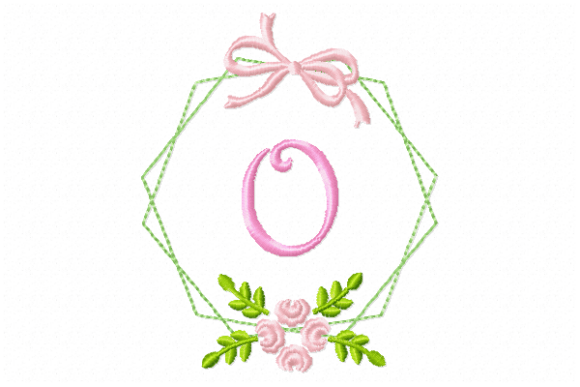
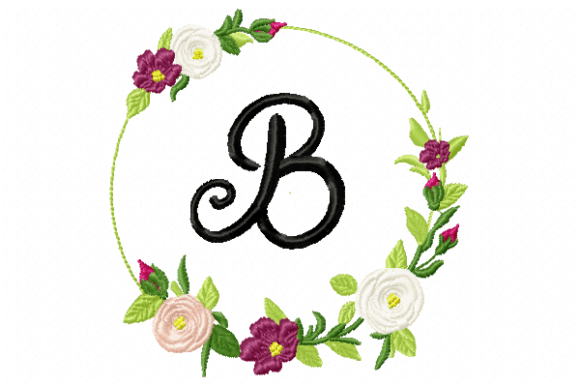
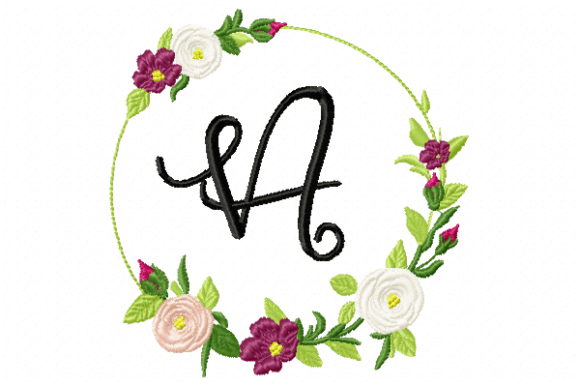
The visual mood of the Monogram Frame is undeniably elegant. Unlike many generic borders found in standard libraries, this design promises a distinctive look that leans towards the classic yet modern. The term "curvaceous" suggests fluid lines, which typically translate well into satin stitch columns that catch the light beautifully. For designers creating handmade products, the aesthetic appeal of a frame can dictate the perceived value of the finished item. A well-executed border turns a simple initial into a personalized gift that feels bespoke rather than mass-produced.
When considering this for a project, the immediate thought is versatility. Does it work for a rustic kitchen towel? Absolutely. Would it elevate a boutique baby blanket? Likely so. The key here is the "intricate craftsmanship" mentioned in the product details. In embroidery, intricacy can be a double-edged sword; too dense, and the fabric puckers; too sparse, and it looks cheap. My initial assessment focuses on whether the stitch balance allows for clean execution on both woven and knit fabrics.
Real-World Application Scenarios
To truly test the viability of the Monogram Frame, I imagined deploying it across a range of common customer requests. Here is how this embroidery file fits into specific project categories:
- Custom Apparel and Sweatshirts: For sweatshirt embroidery, the frame needs to sit flat against fleece or French terry. If the stitch density is managed well, this frame could serve as a stunning chest logo or a sleeve detail. The curvaceous nature might require careful hooping to ensure the curves don't distort on the stretchy fabric.
- Tote Bags and Aprons: These items usually feature heavier canvas or twill. A decorative border like this shines on a tote bag design, framing a monogram perfectly in the center panel. The durability of the stitches here is crucial, as these items undergo frequent washing and handling.
- Nursery Decor and Baby Items: Softness is paramount for baby blankets. If the underside of the stitching is clean, this frame adds a touch of heirloom quality to nursery decor without being scratchy. It transforms a plain muslin swaddle into a high-end personalized gift.
- Caps and Patches: Applying a detailed frame to a curved cap surface is technically demanding. The design would need to be small enough to fit within the limited hoop area of a cap machine while maintaining detail. Similarly, for an embroidered patch, the border defines the shape, making the frame critical to the overall silhouette.
Technical Considerations for Professional Results
Before committing to a full production run, any experienced embroiderer knows the importance of technical due diligence. While the product description highlights the aesthetic benefits, the practical execution depends on several factors that must be verified on the Creative Fabrica product page.
Hoop Size and Stitch Density: One of the first things I check is the required hoop size. Intricate frames often demand larger hoops to accommodate the width of the design. If you are working with a small 4x4 hoop, you must confirm the file dimensions fit. Furthermore, stitch density is critical. High-density areas can cause fabric distortion, especially on lighter materials like linen tea towels or thin polyesters. Testing on scrap fabric identical to your final material is non-negotiable.
Fabric and Stabilizer Selection: The performance of the Monogram Frame will vary significantly based on the substrate. On dark fabrics, you may need to adjust thread colors for contrast or use a water-soluble topper to prevent the fabric from peeking through the stitches. For stretchy knits, a cut-away stabilizer is essential to maintain the integrity of those curvaceous lines over time. Without proper stabilization, the frame could warp after the first wash, ruining the finished product.
Small Details and Lettering: If you plan to insert lettering inside the frame, ensure the internal space is sufficient. Tiny lettering surrounded by a dense border can get lost or become illegible. It is wise to compare light and dark fabric mockups to see how the negative space interacts with the thread.
Enhancing Brand Value and Customer Trust
In the competitive landscape of Etsy sellers and craft fair vendors, the visual presentation of your goods directly impacts buyer trust. Using a high-quality border like the Monogram Frame contributes to brand consistency. When customers see precise, well-framed monograms across your inventory—from pillow covers to kitchen towels—they perceive a higher level of professionalism.
This attention to detail also aids in product photography. A distinct frame creates a natural focal point in images, making your printable mockup or actual photos pop on social media feeds. It signals to the customer that this is a premium handmade product, justifying a higher price point. Moreover, for those selling design assets or finished goods, the uniqueness of the design helps differentiate your offerings from competitors using free, overused fonts and shapes.
Final Verdict and Usage Recommendations
The Monogram Frame appears to be a versatile asset for designers looking to add a touch of elegance to their Borders collection. Its potential to enhance home accents and apparel is clear, provided the technical aspects are managed correctly. However, as with any Creative Fabrica embroidery purchase, I strongly advise reviewing the specific file details before downloading.
Since the product description does not explicitly list stitch counts, specific file formats (like PES, DST, or JEF), or exact license terms for commercial use, you must verify these on the product page. Ensure the license allows for the number of physical items you intend to sell if you are running a small business. Check if the design includes multiple sizes for different hoop configurations.
If you are looking to elevate your custom apparel line or create memorable gifts, this frame is worth considering. Just remember to test your tension, choose the right stabilizer, and respect the limitations of your machine. By doing so, you can leverage this distinctive embroidery element to create products that not only look beautiful but stand the test of time and wear.