Mr. Monogram: A Designer's Take on Wedding Embroidery
When I first pulled up the Mr. Monogram file on my screen, I wasn't just looking at lines and curves; I was visualizing the finished product in a client's hands. As someone who spends hours tweaking machine embroidery design files for small business owners and boutique brands, I know that a pretty preview image doesn't always translate to a flawless stitch-out. This review breaks down how this specific Wedding Monogram performs in real-world scenarios, from high-end custom apparel to quick-turnaround gifts.
First Impressions and Visual Personality
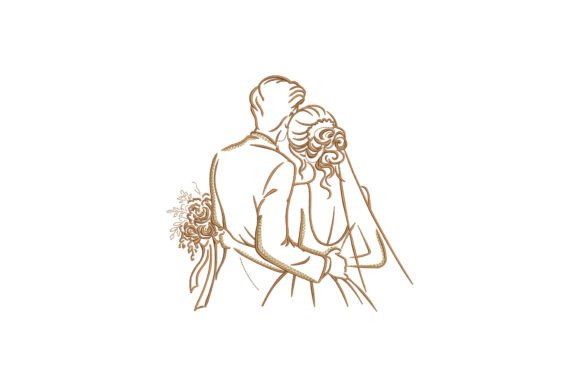
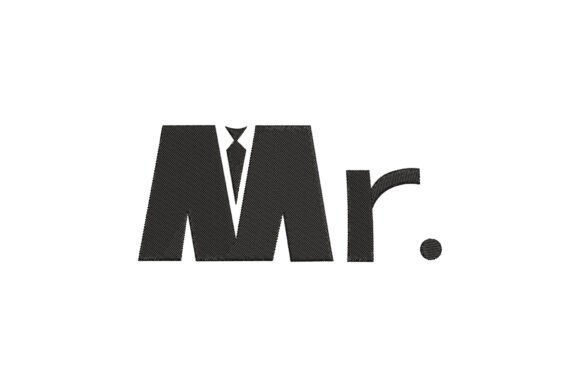
The immediate mood created by Mr. Monogram is one of classic sophistication with a modern edge. Unlike some overly ornate scripts that get lost in translation when stitched, this design relies on clean lines and balanced spacing. The layout feels intentional, suggesting it was digitized with an understanding of how thread behaves on fabric rather than just how vectors look on a monitor.
For a craft business owner, visual personality is everything. This design exudes professionalism. It doesn't scream "DIY project gone wrong"; instead, it whispers "custom boutique item." Whether you are creating a printable mockup for an Etsy listing or stitching directly onto a garment, the design assets here offer a polished look that elevates the perceived value of the finished product.
Real-World Application: The Bridal Party Sweatshirt
To truly test the viability of this Embroidery file, I imagined a common request: a set of matching sweatshirts for a bridal party. This is a high-stakes project where consistency and clarity are paramount. Mr. Monogram shines here because its structure holds up well against the texture of fleece or French terry.
When applied as sweatshirt embroidery, the design maintains its integrity. The spacing between elements prevents the threads from merging into a solid blob, a common issue with dense monograms on thick fabrics. If you were to use this for a tote bag design intended for carrying wedding gifts, the boldness of the lettering ensures readability from a distance, making it an excellent choice for event branding or personalized favors.
However, context matters. While it works beautifully on a cozy hoodie, I would hesitate to use it on a delicate silk robe without significant adjustments to the underlay and density. For baby embroidery projects, such as a receiving blanket or a onesie, the scale might need to be reduced. In those cases, you must verify if the smallest details remain clear when shrunk, as tiny running stitches can sometimes disappear on soft knits.
Navigating Fabric Challenges and Hoop Limitations
No digital embroidery file is universally perfect for every surface. With Mr. Monogram, there are specific scenarios where caution is required. If you are working with stretchy fabrics like jersey knits for custom apparel, the stability of the design becomes critical. Without a high-quality cut-away stabilizer, the tension of the satin stitch or fill stitch areas could cause the fabric to pucker over time.
Curved surfaces present another hurdle. Placing this monogram on a structured cap requires careful positioning. The center of the design must align perfectly with the crown's apex to avoid distortion. Similarly, if you are attempting an embroidered patch, ensure your hoop size accommodates the full width of the design without crowding the edges. Always check the specific dimensions provided with the file to confirm it fits your available hoop sizes before committing to a production run.
Dark fabrics also demand attention. Since this is likely a single-color or limited-color design, contrast is key. A light thread on a navy background looks crisp, but if the design relies on fine details, ensure your thread colors provide enough pop. Testing the design in black and white mockups before stitching can save you from costly mistakes in thread selection.
Practical Notes for Commercial Use
For the Etsy seller or creative entrepreneur looking to expand their catalog, Mr. Monogram offers strong potential for commercial embroidery projects. However, due diligence is non-negotiable. Before listing this as a small shop product, you must:
- Test on scrap fabric: Never stitch a client's item without running a sample first to check tension and registration.
- Review stitch density: High density can make a garment stiff. Ensure the balance between coverage and flexibility suits the item, especially for wearables.
- Inspect small details: Zoom in on the digital file to see if any connecting bridges or tiny satin columns might break during washing.
- Confirm licensing: The description mentions it comes with "multip" (likely multiple formats), but always verify the license terms regarding resale of finished items versus the digital file itself.
- Check format compatibility: Ensure the file formats included match your specific machine brand to avoid conversion errors that ruin stitch quality.
Enhancing Brand Consistency and Customer Trust
In the world of handmade goods, consistency builds trust. Using a reliable design like Mr. Monogram helps maintain a cohesive brand aesthetic across different products. Whether it's a kitchen towel for a housewarming gift or a pillow cover for nursery decor, the design's versatility allows you to offer a unified look to your customers.
The professional finish of this Wedding Monogram can significantly impact buyer engagement. Customers are willing to pay a premium for items that look meticulously crafted. When the stitching is clean, the edges are sharp, and the placement is precise, it reinforces the idea that the maker cares about quality. This attention to detail turns a simple personalized gift into a cherished keepsake.
Final Verdict for Designers and Makers
Mr. Monogram is a solid addition to any designer's library, particularly for those focusing on weddings, home décor, and personalized apparel. Its strength lies in its adaptability and clean execution. While it requires standard precautions regarding fabric choice and stabilization, it delivers a high-end look that justifies its place in commercial workflows.
If you are preparing for the holiday season or building a collection of holiday embroidery and wedding gifts, this design is worth the investment. Just remember to respect the limitations of your materials and machines. By pairing this artistic design with proper technique and thoughtful material selection, you can create stunning handmade products that stand out in a crowded market. Always prioritize a test stitch to ensure the final result matches your vision, securing your reputation as a skilled and reliable creator.