Review: Medical Embroidery Monogram Letter P
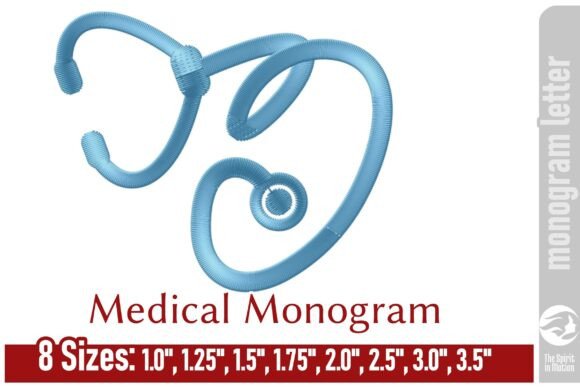
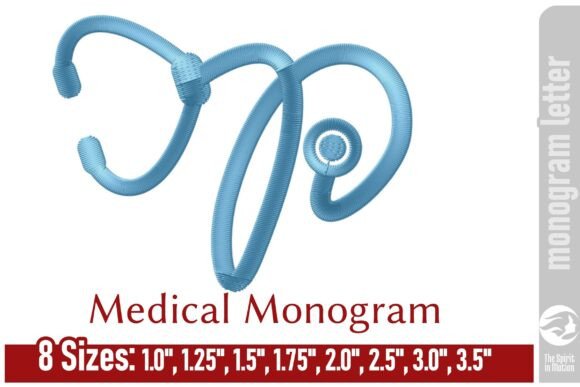
As a designer who spends more time staring at stitch maps than most people spend looking at their phones, I approach every new machine embroidery design with a mix of curiosity and skepticism. We have all seen the trend of thematic monograms flood the market, but few execute the balance between legibility and theme as well as the Medical Embroidery Monogram Letter - P. This isn't just a font with a graphic slapped on top; it is a cohesive piece where the letterform itself mimics the curve of a stethoscope. For those of us running a craft business or filling orders for healthcare professionals, finding a design that feels professional rather than cartoonish is often a hunt. Here is my breakdown of how this design holds up when moved from the screen to the hoop.
First Impressions and Visual Personality
The immediate appeal of this Monograms entry lies in its monoline aesthetic. In an industry often obsessed with heavy fill stitch blocks that can look bulky on small items, the choice to use a cleaner, single-line approach is smart. It creates a mood that is modern, sterile in the best possible way, and highly readable. The "P" doesn't just sit there; the loop of the letter flows naturally into the tubing shape of a stethoscope, ending with a subtle nod to the chest piece.
Visually, it feels lightweight yet substantial enough to stand alone as a logo mark. For a handmade product intended for a doctor or nurse, this subtlety is key. Healthcare workers often wear uniforms that are functional first and fashionable second. A massive, dense embroidery might feel out of place on a set of scrubs, but this design integrates seamlessly. It suggests professionalism without screaming for attention, which is exactly the vibe needed for medical branding or personalized gear.
Real-World Application Scenarios
To truly test the viability of the Medical Embroidery Monogram Letter - P, I mentally placed it into several common production scenarios. The most obvious use case is custom apparel, specifically scrub tops. Imagine stitching this onto the left chest pocket of a navy blue scrub top using white or light grey thread. The contrast would be sharp, and the clean lines would prevent the design from becoming a tangled mess after dozens of industrial wash cycles.
Beyond uniforms, I see immense potential for this design in the holiday embroidery gift market. A high-quality fleece sweatshirt or a structured tote bag makes for an excellent graduation gift for nursing students. When working on a tote bag design, the open nature of the monoline style allows the texture of the canvas to peek through, adding a nice tactile element to the finished product. It also works beautifully as an embroidered patch. If you digitize a border around it or use a satin stitch edge, this could become a collectible item for medical staff to swap or display.
For Etsy seller accounts focusing on baby embroidery, this design is a goldmine for "future nurse" onesies or nursery decor. However, scale is everything here. On a tiny baby hat, the details of the stethoscope bell need to remain distinct. If the design is too small, those fine lines merge. I recommend using this on slightly larger surfaces like pillow covers or blankets for nursery settings where the stitch density can breathe.
Technical Considerations and Fabric Challenges
While the design is elegant, it demands respect regarding fabric choice. Because it relies on a monoline structure, likely utilizing running stitch or very narrow satin stitch, it can be unforgiving on textured fabrics. If you attempt to stitch this on a heavy waffle weave or a looped towel, the needle might skip, or the line could get lost in the pile. For these materials, a robust stabilizer is non-negotiable. I always advise testing on scrap fabric first, especially if you are dealing with stretchy knits common in sweatshirt embroidery.
Curved surfaces present another challenge. If you are applying this to a cap, the curvature of the front panel can distort the long vertical stem of the "P". The stethoscope curve might look flattened if not hooped correctly. For caps, I suggest pulling the design slightly taller in your editing software to compensate for the compression that happens during stitching. Furthermore, on dark fabrics, ensure your thread colors have high contrast. A dark grey thread on a black jacket will render this intricate design invisible. Stick to whites, silvers, or bright medical blues for maximum impact.
Stitching Clarity and Density Management
One of the strengths of this digital embroidery file concept is its likely low stitch count relative to its size, thanks to the lack of heavy fills. This is great for speed and reduces the risk of fabric puckering. However, low density means less margin for error. If your machine tension is off, gaps in the line will be glaringly obvious. There is no dense fill to hide a skipped stitch. This requires the operator to be diligent about needle condition and thread quality. For commercial runs, this design offers speed, but it requires consistent machine maintenance to ensure every unit looks pristine.
Business Value and Brand Consistency
From a business perspective, incorporating the Medical Embroidery Monogram Letter - P into your catalog can elevate your brand perception. It signals to clients that you understand niche markets. When a customer sees a coherent theme rather than a generic font, they perceive higher value. This translates to better buyer engagement and the ability to charge a premium for personalization. It builds trust; a nurse seeing a well-executed stethoscope motif knows you paid attention to detail, which reassures them about the quality of the rest of the garment.
For those creating printable mockup assets or marketing materials, this design photographs exceptionally well. The clean lines translate clearly in images, making it ideal for social media previews. It helps potential customers visualize the end result immediately, reducing hesitation in the purchasing process.
Final Designer Notes and Recommendations
Before committing to a full production run or listing this as a design asset for sale, there are a few housekeeping items to address. First, verify the licensing terms. Just because a design looks great doesn't mean it is cleared for commercial embroidery use. Ensure you have the right to sell finished items or the file itself. Second, check the available hoop size options. If the design is only available in a large format, it limits your ability to use it on cuffs or collars.
I also recommend creating a "cheat sheet" for your clients or yourself regarding thread recommendations. Suggest specific thread brands and color codes that mimic medical steel or sterile white environments. Finally, always inspect the small details of the stethoscope earpieces and bell in the preview mode of your software. If they look jagged, consider manually editing the nodes to smooth them out before stitching.
In conclusion, the Medical Embroidery Monogram Letter - P is a versatile, thoughtful addition to any embroidery project library. It bridges the gap between decorative flair and professional identity. Whether you are outfitting a hospital wing or making a single personalized gift for a friend entering med school, this design delivers on both aesthetics and function. With the right fabric prep and attention to tension, it results in a polished, high-value item that stands up to the rigors of daily wear.