Tiger Monogram: A Designer's Review for Business Merch
As an embroidery designer who has spent years digitizing and reviewing files for commercial use, I approach every new machine embroidery design with a critical eye. It is not just about whether a pattern looks cute on a screen; it is about how it performs under the needle when producing small business merch at scale. Today, I am reviewing the Tiger Monogram, a design categorized under Wild Animals, to determine its viability for branded patches, uniforms, and boutique product lines.
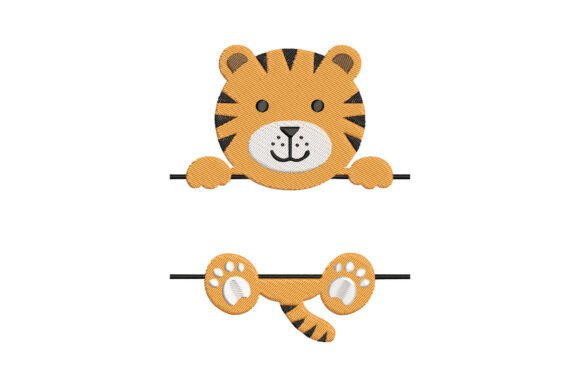
Upon first inspection, the Tiger Monogram strikes a balance between playful charm and structural boldness. The description promises a touch of whimsy, which is essential for brands looking to appear approachable rather than corporate and stiff. For a local bakery, a pet grooming studio, or a creative florist, this design offers a personality-driven aesthetic that stands out against generic text-only logos. However, in the world of commercial embroidery, aesthetics must always be backed by technical reliability.
Evaluating Visual Personality and Brand Fit
The core strength of the Tiger Monogram lies in its ability to humanize a brand. When I imagine this stitched onto a barista's apron or the chest pocket of a boutique owner's work shirt, it immediately softens the visual identity. It suggests a business that values creativity and warmth. For handmade product sellers on Etsy or local craft markets, this design acts as a perfect signature. It tells the customer that there is a real person behind the brand, one who appreciates the artistry of Embroidery.
However, "whimsical" can sometimes border on "childish" if not executed correctly. The key here is the monogram element. By integrating lettering with the tiger motif, the design gains a level of sophistication suitable for more than just children's apparel. It becomes a viable option for custom apparel aimed at adults who appreciate unique, character-driven branding. Whether used as a sleeve detail on a denim jacket or a central mark on a canvas tote, the design projects a friendly yet professional image.
Real-World Applications for Small Businesses
In my experience, the versatility of an embroidery file determines its return on investment. The Tiger Monogram shines in several specific business scenarios:
- Staff Uniforms and Aprons: For cafes and boutiques, stitching this design onto black or navy aprons creates a cohesive team look that feels less like a uniform and more like a staff perk. The contrast of the tiger against dark fabric can be striking, provided the thread colors are chosen wisely.
- Branded Patches: This is perhaps the strongest use case. An embroidered patch allows for mobility. You can sew these onto hats, bags, or even sell them as standalone accessories. The defined shapes in a tiger motif usually translate well to patch borders.
- Tote Bag Design: Canvas totes are a staple for market vendors. The texture of canvas provides a sturdy base for the stitch density required by animal details, ensuring the finished product holds up to daily use.
- Cap Embroidery: Placing this on the side panel of a baseball cap rather than the front can be a stylish, subtle branding move. The curved surface of a cap requires careful digitizing, so testing is crucial here.
Technical Considerations and Production Risks
While the artistic potential is high, a professional review must address the technical hurdles. The description notes suitability for towels and pillows, which implies the design may have a higher stitch density to cover plush fabrics. This is a double-edged sword for business use.
When scaling down for small applications, such as a tiny label on a garment or a small chest logo, high density can lead to puckering or loss of detail. The fine lines that define the tiger's stripes or the curves of the monogram letters might merge together if the hoop size is too small or the fabric too textured. I strongly advise running test stitches on the actual materials you intend to use. A design that looks crisp on a smooth cotton t-shirt might struggle on a thick terrycloth towel or a coarse linen blend.
Furthermore, thread colors play a massive role in legibility. If your brand colors are low-contrast, the intricate details of the tiger could get lost. For dark uniforms, you may need to utilize underlay stitches effectively or choose a version of the file with built-in outlining to ensure the design pops. Always check if the digital embroidery file includes multiple color variations or if you will need to manually edit the color stops in your software.
Strategic Implementation for Brand Identity
Integrating the Tiger Monogram into your product line does more than just decorate an item; it builds brand identity. Consistency is key. If you use this design on your packaging accents, your social media printable mockup images, and your physical merchandise, it creates a visual thread that customers recognize. This recognition fosters trust. A professionally embroidered logo signals quality and attention to detail, elevating the perceived value of your goods.
For event merch, such as a pop-up shop or a local market, this design serves as an excellent conversation starter. It differentiates your booth from competitors using standard heat transfers or screen prints. The tactile nature of embroidery invites customers to touch the product, increasing engagement and the likelihood of a sale.
Designer Notes and Best Practices
Before committing to a large production run of design assets featuring the Tiger Monogram, I recommend following this checklist to ensure professional results:
- Test in Black and White: Stitch a sample using only black thread on white fabric (and vice versa). This reveals the true structure of the design without the distraction of color, highlighting any spacing issues.
- Verify Small Scale Performance: If you plan to use this as a small patch, stitch it at the minimum intended size. Ensure the monogram letters remain readable and the tiger features do not blur.
- Select the Right Stabilizer: Given the potential for detailed outlines, use a cut-away stabilizer for stretchy fabrics like t-shirts to prevent distortion over time. For woven items like tote bags, a tear-away may suffice, but test first.
- Review Commercial Licensing: The description mentions embellishing fabrics, but before selling items with this design, confirm the license terms. Ensure you have the rights for commercial use, especially if selling on platforms like Etsy.
- Create Client Mockups: Before approving a custom order, create a printable mockup or a digital composite showing the design on the specific garment color. This manages client expectations regarding contrast and placement.
- Check File Formats: Ensure the provider offers the specific machine format you need (PES, DST, EXP, etc.) to avoid conversion errors that can ruin stitch quality.
In conclusion, the Tiger Monogram is a promising asset for small businesses seeking to inject personality into their merchandise. Its blend of wild animal imagery with monogramming offers a unique niche that balances fun with professionalism. However, like any machine embroidery design, its success depends on thoughtful application. By respecting the limitations of fabric texture, stitch density, and sizing, you can transform this digital file into a powerful tool for brand growth and customer connection.