Watermelon Letter C: A Summer Monogram Review
As an embroidery designer who spends more time at the hoop than away from it, I am always on the lookout for designs that bring a specific mood to life without sacrificing technical quality. When I first loaded the Watermelon Letter C onto my screen, the immediate impression was one of pure, unadulterated summer joy. There is something inherently cheerful about fruit-themed motifs, and this uppercase letter captures that essence perfectly. It feels playful yet structured, making it an ideal candidate for those seeking a handmade product that stands out in a crowded market of generic monograms.
This review comes from a place of practical planning. Before any design makes it into my shop's inventory or onto a customer's custom order, it undergoes a mental stress test. How will this look on a textured towel? Will the details hold up on a stretchy baby onesie? The Watermelon Letter C promises "summer fun," but as professionals, we need to know if it delivers on durability and aesthetic appeal. Based on the description stating it is manually digitized for embroidery success, my expectations for clean stitch paths and logical color changes are high.
The Vibe: Sweet, Seasonal, and Handcrafted
The emotional appeal of this design is its strongest asset. It does not scream "corporate logo"; instead, it whispers "picnic in the park" or "nursery afternoon nap." The charm lies in its ability to be both a functional initial and a decorative element. For an Etsy seller or a small shop owner, this versatility is gold. It bridges the gap between a standard Monograms category item and a seasonal novelty.
Visually, the design suggests a blend of sweet and modern aesthetics. It avoids being overly childish, which means it has a longer shelf life in a product lineup. A bride might want this for a bridesmaid gift, a new mother for a nursery wall hanging, or a home cook for a seasonal apron. The "cool" factor mentioned in the product description translates well to a finished look that feels fresh rather than dated. When you are selling a personalized gift, the emotional connection the buyer feels upon seeing the design is half the battle won.
Real-World Applications for Your Shop
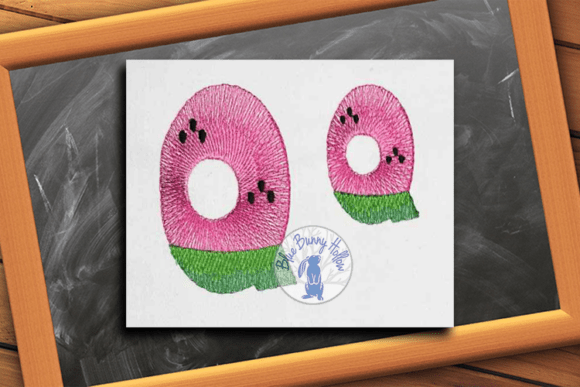
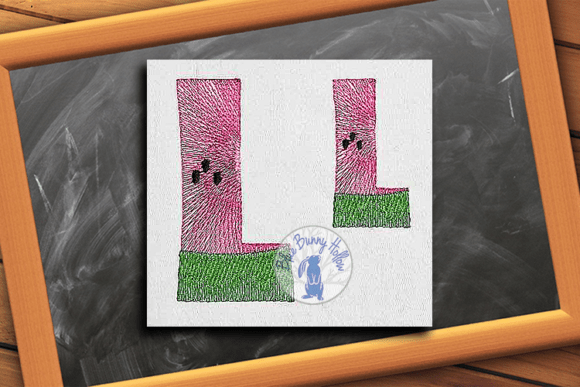
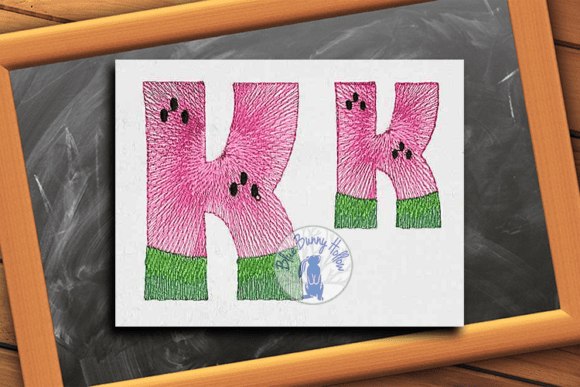
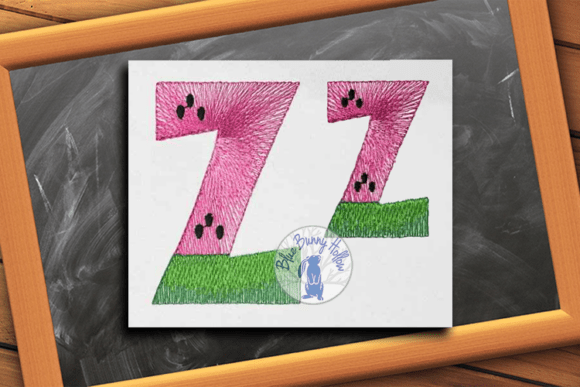
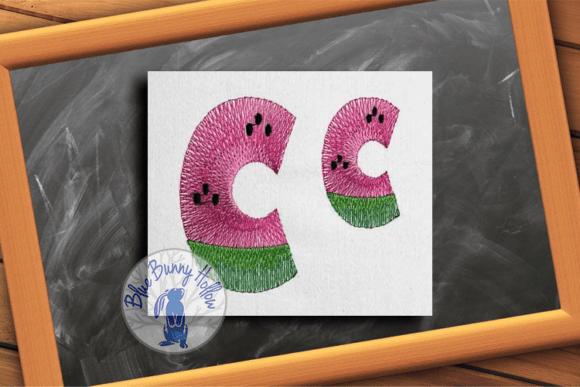
Let's imagine a few real-case scenarios where the Watermelon Letter C shines. First, consider the baby market. Baby embroidery requires designs that are soft in appearance but robust enough to withstand washing. This letter would be adorable on a muslin swaddle blanket or a bib. The two versatile sizes mentioned—starting at 2 inches—offer great flexibility. The smaller size is perfect for cuff placements on baby clothes, while the larger option works beautifully as a central focal point on a receiving blanket.
Moving beyond the nursery, think about kitchen linens. An embroidered towel set featuring this design would make a fantastic housewarming or wedding gift. Imagine a set of tea towels with different initials, each styled like a slice of watermelon. It adds a pop of color to a neutral kitchen. Similarly, for wedding gift ideas, this could be used on tote bags for beach weddings or bridal showers, offering a thematic touch that guests will actually use.
For those creating pillow cover collections, this design offers a way to introduce seasonal decor without committing to a full holiday theme. It fits perfectly into a "Summer Cottage" or "Farmhouse Fresh" collection. The key here is the perceived value. A plain pillow cover is a commodity; a pillow cover with a high-quality, manually digitized custom embroidery initial is a keepsake.
Technical Considerations and Fabric Challenges
While the design sounds promising, every embroidery designer knows that the devil is in the details. The description notes that the design comes in two sizes, but it cuts off before specifying the maximum dimension. Before running a production batch, you must verify the full size range in the digital embroidery file documentation. If the larger size exceeds your standard hoop capabilities, you may need to plan for re-hooping or adjust your product selection accordingly.
Fabric texture plays a massive role in how fruit-themed designs render. On a smooth cotton tote bag, the thread colors will likely pop with vibrancy. However, on a thick terry cloth towel, you need to be mindful of stitch density. If the digitizing is too dense, the stitches might sink into the loops of the towel, losing definition. Conversely, if it is too light, the fabric might show through the red and green threads, ruining the solid look of the watermelon.
Stretchy fabrics, common in baby embroidery, require extra caution. A 2-inch design is generally safe, but you must use the correct stabilizer. A cut-away stabilizer is often best for garments that will be washed frequently to prevent distortion over time. Additionally, consider the contrast. Watermelon designs typically rely on bright reds, greens, and perhaps black or brown for seeds. On dark navy or black fabric, the green outline might get lost unless the digitizer has accounted for a underlay or specific outlining technique. Always run a test stitch-out on scrap fabric that matches your final product material.
Boosting Perceived Value and Customer Trust
In the world of handmade sales, trust is built through consistency and quality. Using a professionally digitized design like Watermelon Letter C signals to your customer that you care about the finish. Sloppy stitching or poorly planned color jumps can ruin the illusion of a premium product. A clean, crisp letter enhances the finished product photography, which is crucial for online listings.
When a customer sees a mockup of their name or initial in this fun style, the engagement rate often increases. It invites them to imagine the item in their home. For an Etsy seller, this means better conversion rates. The design acts as a hook. It says, "This isn't just a letter; it's a vibe." This emotional resonance allows you to price your items slightly higher than basic text monograms because you are selling a curated aesthetic, not just a service.
Practical Steps Before You Stitch
To ensure success with this design in your commercial workflow, follow these practical steps:
- Verify File Details: Since the product description was truncated, confirm the exact maximum size and available formats (PES, DST, EXP, etc.) before purchasing to ensure compatibility with your machines.
- Check Commercial Licensing: Ensure the license covers commercial embroidery if you plan to sell finished goods. Most designers allow this, but always read the terms.
- Test Thread Colors: Watermelon reds can vary wildly. Test different shades against your specific fabric to ensure the red doesn't look orange or the green too yellow.
- Evaluate Small Details: Inspect the "seeds" or small internal details after stitching. On a 2-inch version, tiny elements can become bird-nests if the stitch count is too high for the area.
- Create Mockups: Use a printable mockup or digital visualization to show customers how the design looks on light versus dark fabrics before they commit to a custom order.
Ultimately, the Watermelon Letter C appears to be a strong contender for any summer collection. It balances the whimsical nature of seasonal trends with the structural needs of a legible monogram. By paying attention to fabric choices, stabilizer types, and thread contrasts, you can transform this machine embroidery design into a best-selling item that brings a smile to your customers' faces. Whether it ends up on a wedding keepsake or a child's backpack, the potential for creating a meaningful, personalized connection is undeniable.